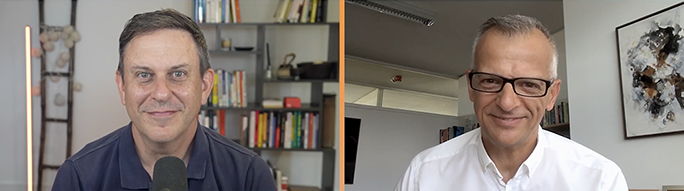



What separates a good team from a world-class one?
My guest today has lived that question at the highest levels. Ollie Phillips captained England in rugby sevens, rowed across oceans, and now runs Optimist Performance, helping teams move from great to world class.
We explore why most organisations spend 95% of their time playing the game and only 5% practising the hard skills of leadership and teamship. Ollie reveals how elite teams build unshakeable trust, why practising discomfort before big moments matters, and how momentum can be the most contagious force in any environment.
You’ll hear about Ollie’s transition from being the best in the world to starting again as a beginner, and how infectious energy combined with clarity of purpose creates unstoppable teams. If you’re leading a team right now, this conversation will give you fresh tools to unlock world-class performance.
You’ll hear about:
-
Why practising discomfort builds world-class performance capability
-
Creating communities through shared experiences
-
Trust as the foundation of high-performing teams
-
Communication that considers how messages need to be heard
-
Red flags in team environments and cultures
-
The difference between never losing and loving winning
-
Why 95% of time goes to playing versus practising
-
Recognising progress without comparing yourself to others
-
How momentum multiplies in both directions
More about Ollie
Ollie’s journey has taken him from international rugby pitches to the boardrooms of global businesses, across oceans, over mountain peaks, and into some of the toughest environments on Earth. What unites it all? A lifelong obsession with unlocking performance — in himself, and in others.
He captained England Rugby 7s, was named World 7s Player of the Year, and coached Wales Women and China’s Olympic programme. He’s swum the English Channel, circumnavigated the globe, stood at the North Pole, and holds four world records for feats of endurance and teamwork in some of the planet’s most extreme locations.
Alongside that, he’s held senior leadership roles at PwC, advising global businesses on culture, strategy, and transformation. He now sits on boards across private equity, sport, and exploration, and holds an Executive MBA from Cambridge.
- Ollie’s profile
- Optimist Performance
- Insights
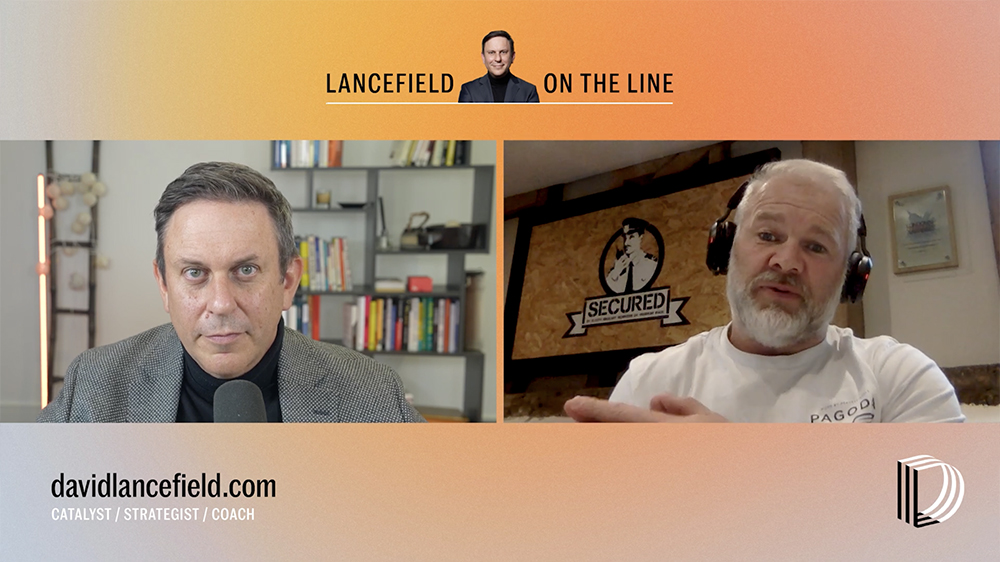
“We spent 95% of our time practising for 5% of the delivery.”
Ollie Phillips — England Rugby 7s captain, Wales Women’s coach, and PwC leadership figure
VIEW RUNNING ORDER
| 00.00 | Introduction to world-class team performance. |
| 03.03 | Transition from elite sport to corporate leadership. |
| 05.08 | Getting comfortable with being uncomfortable. |
| 06.41 | Adventures, community and the power of focus. |
| 10.17 | Distilling high-performing team characteristics down to essentials. |
| 13.37 | Red flags in team environments and cultures. |
| 16.59 | Never losing versus loving winning mentality shift. |
| 24.30 | Dealing with defensive or toxic team mindsets. |
| 29.46 | Translating memorable experiences into sustainable performance. |
| 34.56 | Leading teams well during personal adventures. |
| 37.39 | Recognising discomfort as a sign of growth. |
| 45.39 | Dealing with dark days and learning from losses. |
| 48.34 | The impact Ollie wants to have on the world. |
Shefaly Yogendra: Building boards in a turbulent world
Daily Strategies — Writing the book
Ranjay Gulati: Building courage — one decision at a time
Connie Noonan Hadley: How to overcome loneliness at work
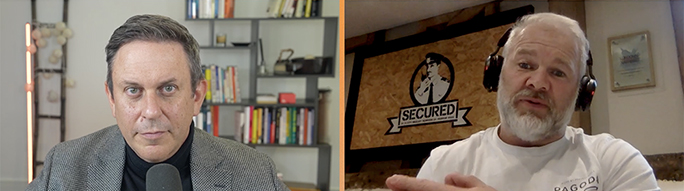
Ollie Phillips: How to create world class teams
Jennifer Fondrevay: How to navigate organisational grief
Julian Birkinshaw: Fighting back in digital transformation
Niko and David: The power of strategy in everyday life